Why Manufacturing Day Matters So Much to Me
I first pitched Manufacturing Day a couple of years ago, right after I started working at SCT again. Coming back into the family business, I was still figuring out where I fit. Hosting a Manufacturing Day open house for students to come tour was uncharted territory for the existing leadership team — we hadn’t really done anything like this before. To their credit, they gave it the green light. That first Manufacturing Day was an incredible success, and it has since blossomed into a tradition, plus a long-term partnership with our school district.
Before I returned to SCT, a big part of my life was centered on education and advocacy. I have always been someone who shows up for kids and fights for the underdog. Sometimes that looked like being in the classroom. Sometimes it looked like advocating outside the classroom, making sure students and teachers had adequate support, resources, and opportunities. I led our local PTA because I believed in strengthening the bridge between families and schools. I helped spearhead a bond campaign because I believed our community could invest in facilities and programs that would serve kids not just for a year, but for generations.
So when I look at Manufacturing Day now, I do not see it as a one-off event. I see it as a continuation of that same commitment. It is advocacy in a different form, but with the same purpose: to make sure students have access to opportunity.
Why Manufacturing Day matters to me
Most students don’t get the chance to see what manufacturing really is. They might hear the word and picture something outdated, noisy, or disconnected from the kind of careers they are encouraged to pursue. They may not realize how much technology, precision, and engineering are woven into modern manufacturing. They also may not realize how many different kinds of strengths and learning styles can thrive in this world.
Manufacturing Day gives us a chance to replace outdated assumptions with a fresh reality.
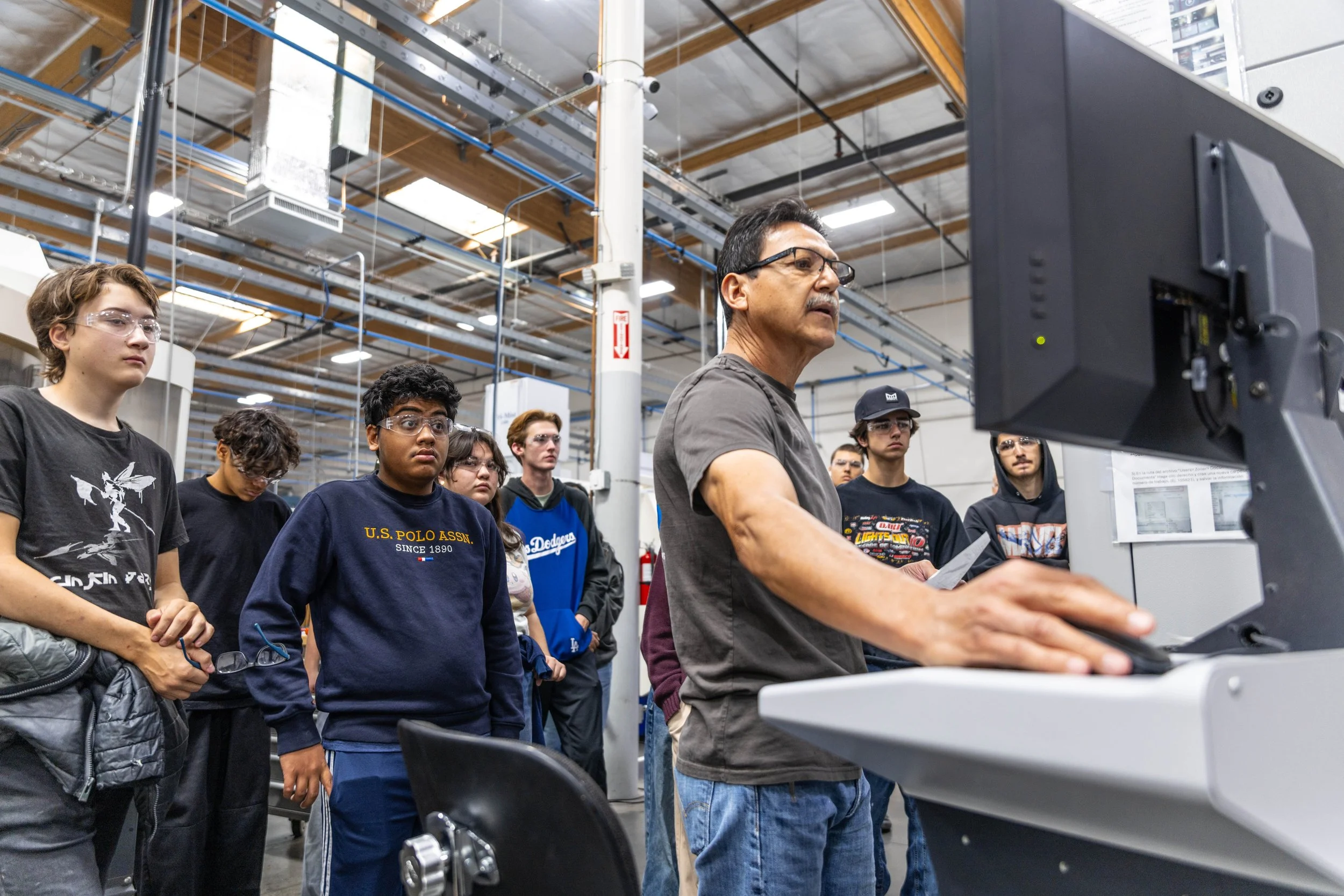
Students walk through our doors and see advanced grinding and metrology equipment, clean and brightly lit shop floors, and skilled people solving real problems. They learn that what we make supports industries they recognize and rely on. They see that manufacturing is not a “Plan B.” It is a path with growth, stability, and real pride in workmanship.
And perhaps most importantly, they start to understand that there is more than one way to build a meaningful future.
As an educator, I learned quickly that exposure — to opportunities and perspectives — can change the course of one’s life. Teaching at a Title I school allowed me to see firsthand how hard it is for students to imagine a pathway, or even a kind of life, that they have never seen modeled. I remember one day realizing just how real that gap can be: the city where I taught is home to an incredible, nationally acclaimed zoo, and many of my students had never been. They had never seen a live giraffe. In contrast, my own family were members at the zoo. My own kids loved seeing and even feeding the giraffes. That moment stayed with me, because it was not about the giraffe. It was about access, and about how possibility expands the minute a student can finally see something with their own eyes.
Advocacy for all kids means expanding options
My advocacy has always been rooted in the belief that all kids deserve access to opportunity. Not just the kids who already know how to navigate the system. All kids.
Manufacturing Day is one way we can show students that success is not limited to one definition. We can highlight different routes into meaningful careers, including apprenticeships, certifications, community college programs, and four-year degrees. We can talk about roles in manufacturing that involve engineering, programming, quality, operations, sales, design, and leadership.
This is not about pushing students in one direction. It is about giving them information and exposure so they can make a choice that fits who they are.
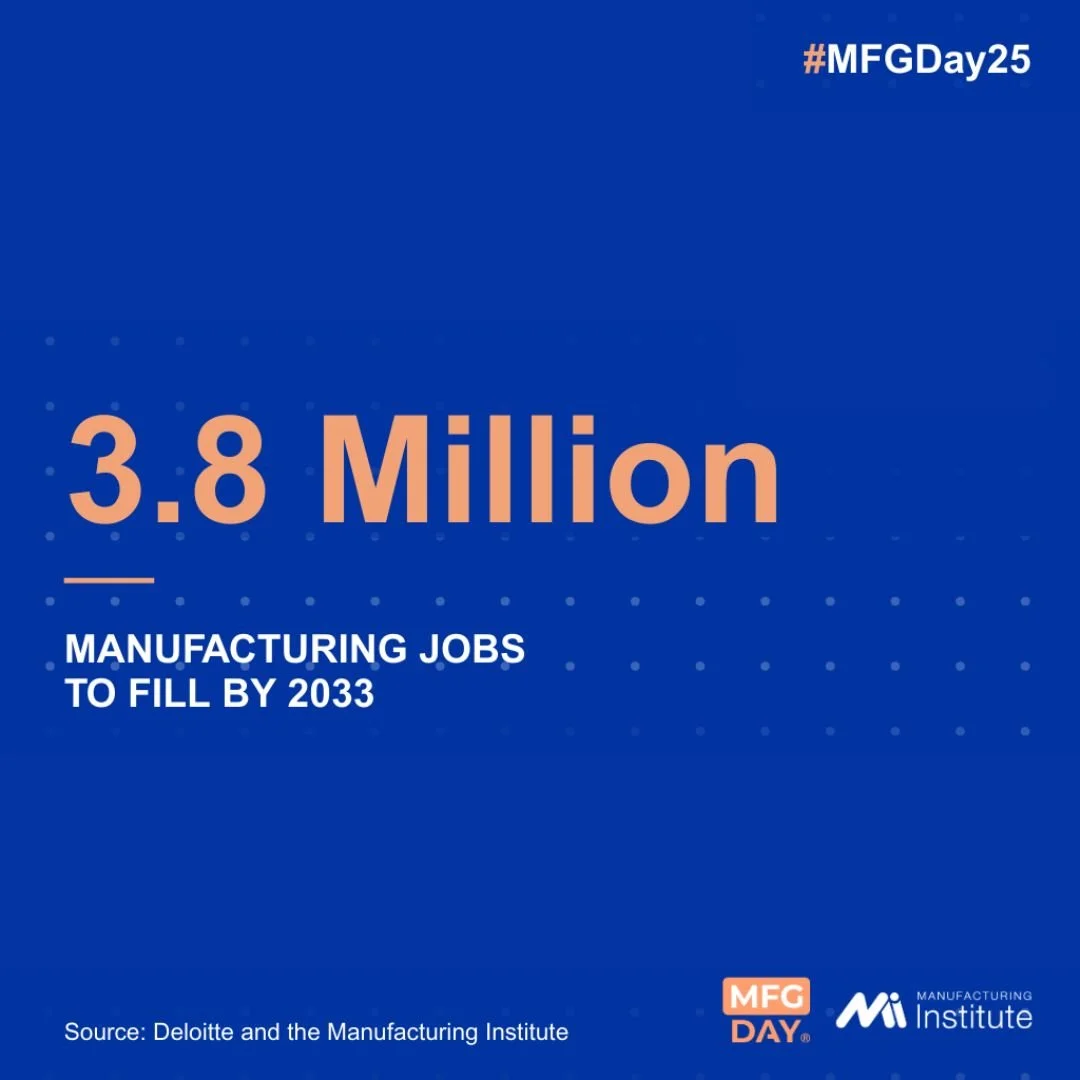
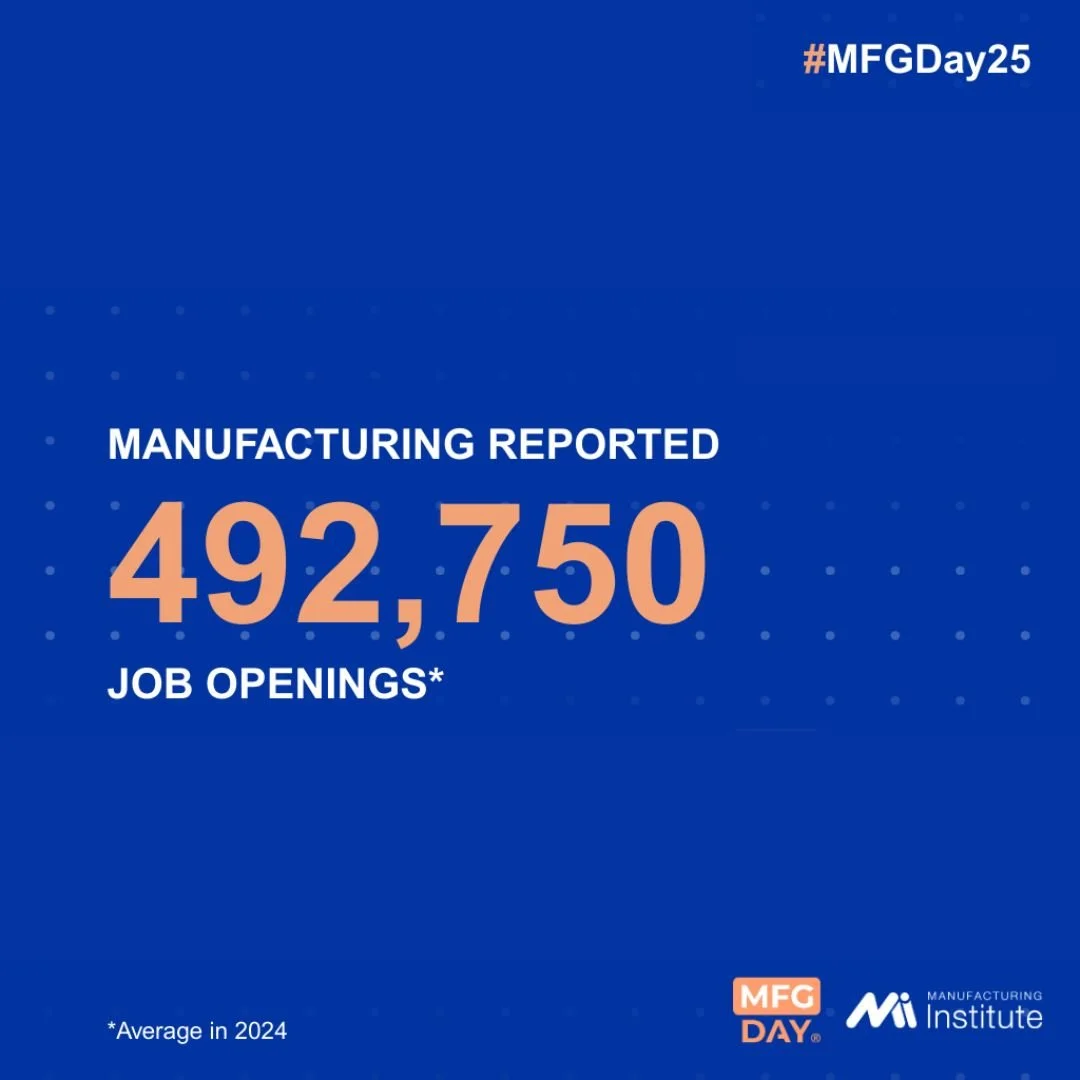
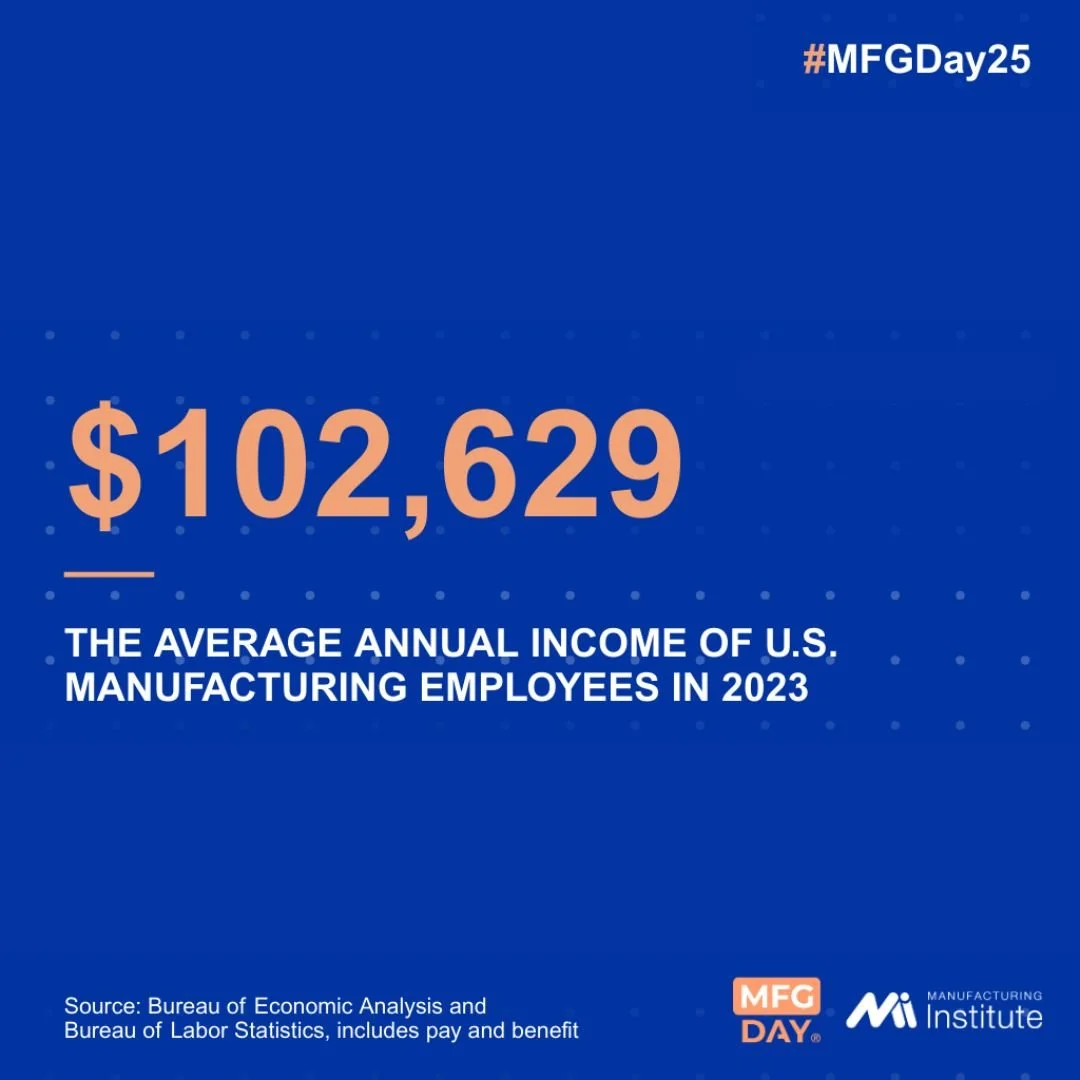
There is also a very practical reason this matters so much right now. Manufacturing is facing real workforce shortages, and anyone in this industry feels it. Experienced people are retiring, fewer students are being introduced to the trades early, and the gap between what schools think manufacturing is and what it actually is can be wide. Manufacturing Day helps close that gap. It gives students a firsthand look at advanced manufacturing and the kinds of careers it offers, including roles that are stable, in demand, and genuinely lucrative. When students can see the technology, ask questions, and meet the people doing the work, “manufacturing” stops being an abstract idea and starts looking like a real option. That kind of exposure is one of the most effective ways to grow the next generation of talent.
The connection back to my educator heart
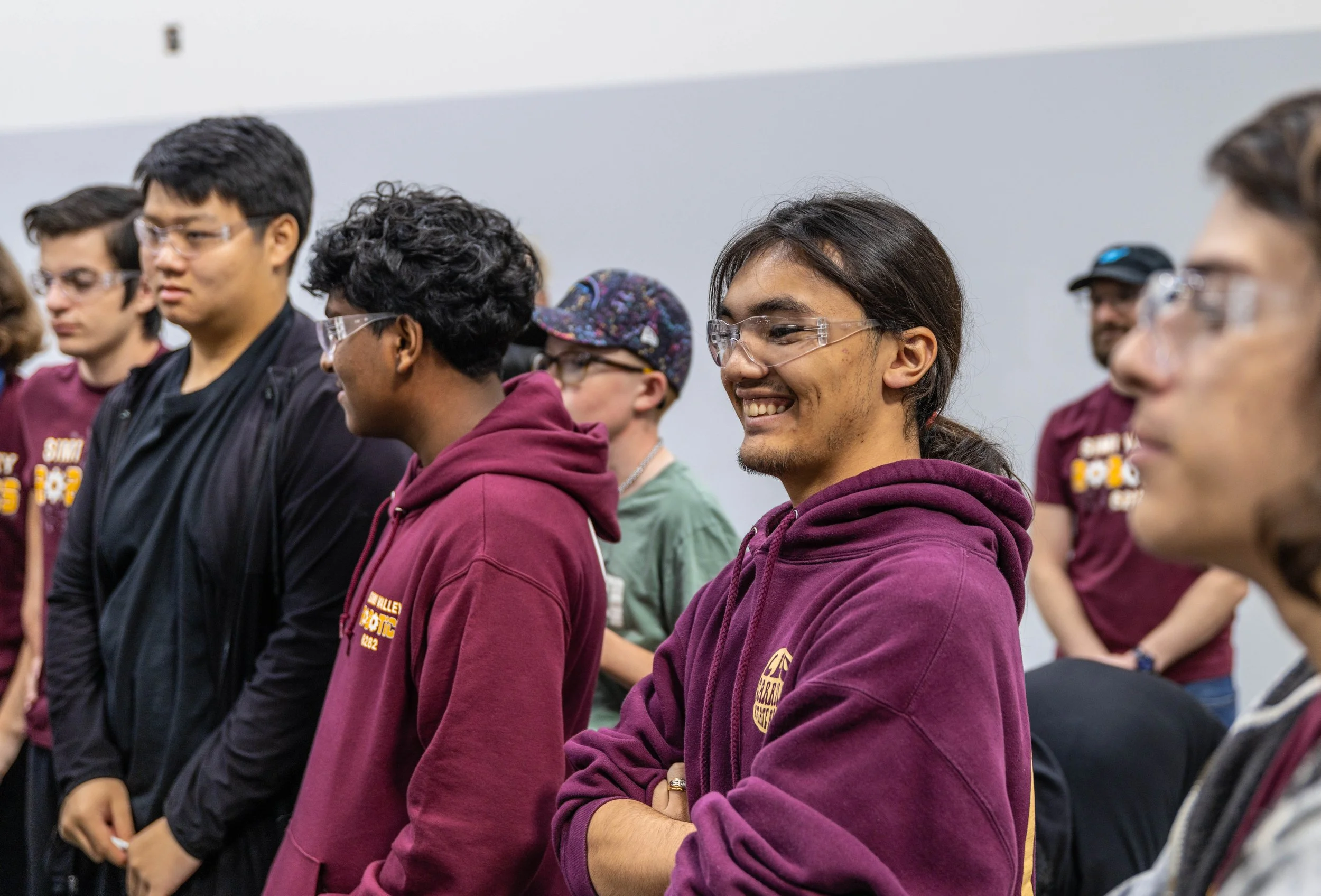
One of my favorite parts of Manufacturing Day is seeing the shift in students as the tour goes on. At the start, many are quiet (some are not!), taking it all in. Then you can almost see the mental wheels turning.
They start asking how long it takes to learn a skill. They ask what kind of math you use. They ask how we measure and verify quality. They ask what a typical day looks like. They ask what someone like them would need to do to get started.
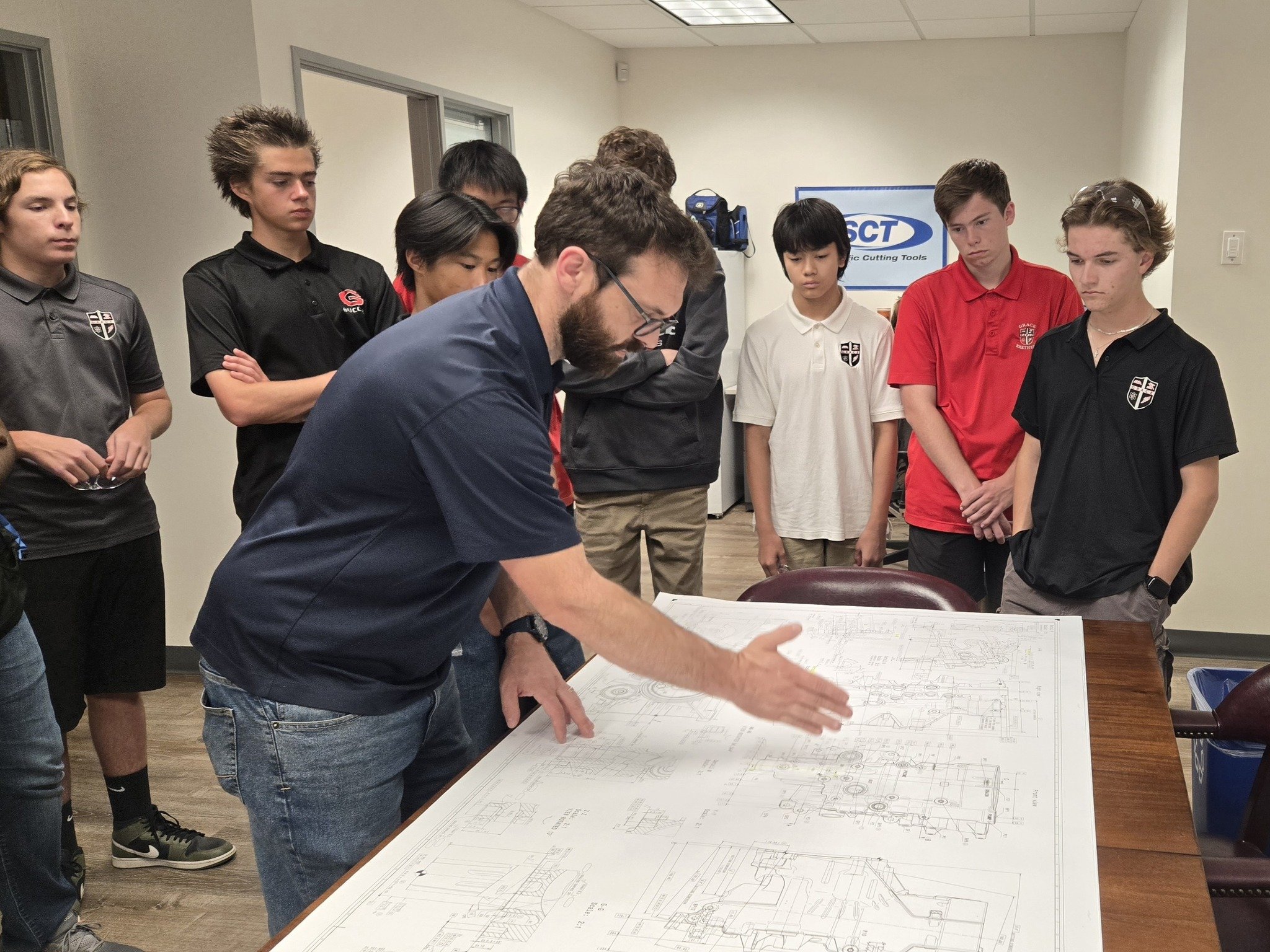
Those questions matter because they mean the student is imagining themselves in the space. They are no longer watching from the outside. They are considering what could be possible.
For me, that is the real outcome. It’s not just a single afternoon tour, but a changed perspective.
Why it feels personal
If I am being honest, Manufacturing Day has also helped me feel grounded in my role at SCT. When you re-enter a family business, you want to contribute in a way that is authentic. You do not want to force a fit. You want to build trust, earn credibility, and bring your own strengths to the table.
Manufacturing Day has been one of those places where my past and present connect naturally. It blends my background in education and advocacy with the work we do every day in manufacturing. It lets me help create opportunities, not only for our company’s future, but for students who are trying to figure out theirs.
Looking ahead
I’m thrilled to report that we aren’t just stopping at one day a year. We are building something longer-term with our local school district that I am genuinely excited about! We are in the early stages of launching a PRIME program, which will create a more direct bridge between students and modern manufacturing careers. It is the kind of program that helps kids see themselves in this industry earlier, with more support, more real-world context, and more people in their corner. I will share more as it takes shape, but it is exactly the kind of work I dreamed we could grow into when I first pitched Manufacturing Day.
So why do we do this? Well, the future of manufacturing depends on young people seeing a place for themselves in it.
And because every kid deserves that chance.